

26 October 2026
How to Choose the Right Marine Paint for Every Part of a Ship
A guide to choosing a ship paint system, from anti-corrosion to antifouling, for the hull, boot top, topside and deck.
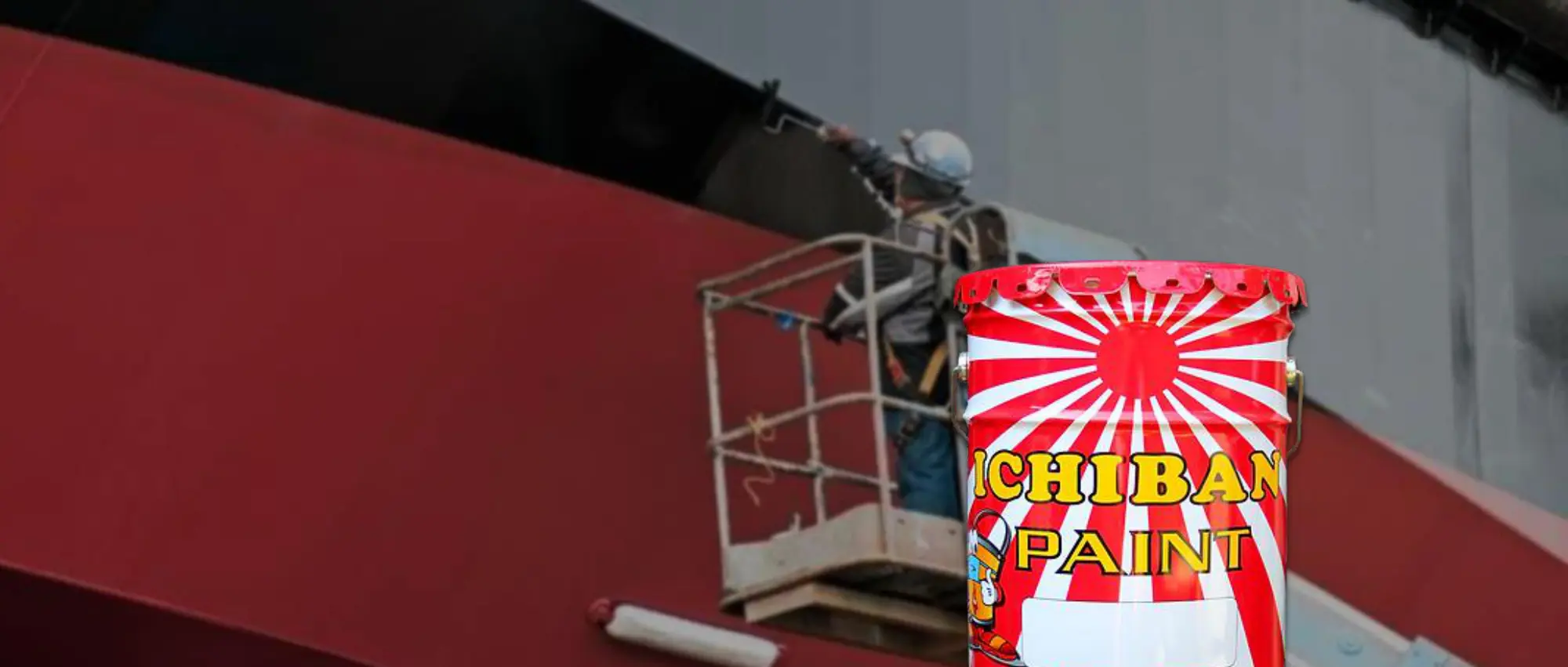
Ships work in the harshest environment there is: seawater, sunlight and marine organisms. That is why each part of a ship needs a different paint system.
1. Start with surface preparation
Around 80% of the success of a corrosion protection system depends on surface preparation. Common standards are SSPC (USA), ISO 8501 (Sweden), BS 4232 (UK) and NACE. Methods include sand blasting, grit blasting, power tooling and water blasting.
2. Understand the three-coat system
- Primer coat bonds directly to the steel and holds back rust.
- Intermediate coat adds thickness and barrier protection.
- Finish coat provides colour and weather resistance.
3. Choose a TBT-free antifouling
Since the 44th MEPC (March 2001), the IMO has banned organotins such as tributyltin (TBT) in antifouling. Choose a self-polishing tin-free antifouling, such as Ichiban AF Tin Free.
4. Match the system to the ship area
Flat bottom and vertical bottom need anti-corrosion plus antifouling. The boot top faces the tidal zone, the topside and superstructure need weather resistance, and the deck needs abrasion resistance.
Need a paint system specification for your ship? See Ichiban Marine Paint or contact our technical team on WhatsApp.